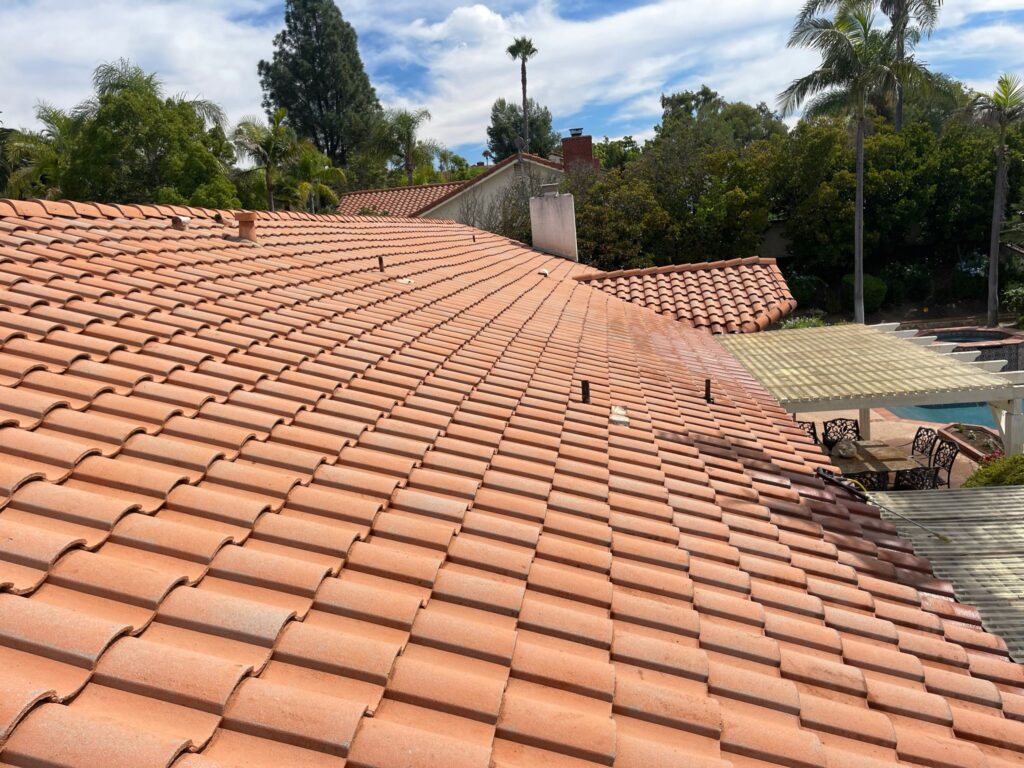
Is Your Roof Screaming for Help?
Think about your roof for a moment. When was the last time you actually looked at it? If you are like most homeowners, you probably do not think about it until something goes terribly wrong. A leak ruins your living room ceiling. A repair bill leaves you breathless. And honestly, that is completely understandable. Your roof is up there, silently enduring sun, rain, wind, and snow. It protects you without asking for anything in return. But this lack of attention can cost you dearly.
Ignoring the signs of roof damage is one of the most expensive mistakes you can make as a homeowner.
The good news is that you do not need to be a construction expert to spot problems early. With a little knowledge and regular visual inspections, you can identify the warning signs that indicate your roof needs repair or, in the worst case, a full replacement. This article is your ultimate guide to becoming a roof detective and saving thousands of dollars in the process.
Why Early Detection Is Your Best Friend
Imagine this scenario. A tiny crack in a single shingle allows a small amount of water to enter every time it rains. At first, it is invisible. But over time, that constant moisture can rot the wooden framework, damage the attic insulation, and create the perfect environment for mold growth. Mold is a serious problem for both your health and the structure of your home.
Roof repairs are rarely cheap, but minor problems are significantly more affordable and easier to fix. Addressing a loose shingle might cost a few hundred dollars. Repairing the structural damage caused by a leak ignored for months can cost several thousand. Prevention and early detection are, without a doubt, the smartest investment you can make.
Internal Warning Signs: What Your House Is Telling You from Inside
You do not need to climb onto your roof to find the first clues. Often, problems show up first inside your home. Pay close attention to these signs.
Water Stains or Discoloration on the Ceiling
This is the clearest and most common indicator of a leak. If you see yellow or brown stains on your ceiling or the walls of your upper floors, it is an unmistakable sign that water is making its way through your roof. Do not underestimate a small stain. It could be the tip of the iceberg of a much larger problem. Water has a way of traveling along beams and rafters, so the stain you see might be far from the actual source of the leak.
Appearance of Mold or Mildew
Mold and fungi need moisture to thrive. If you notice dark, greenish, or velvety patches in the corners of your ceiling, on your walls, or in your attic, you likely have a persistent source of moisture. This could be due to a slow leak or poor ventilation, but in either case, it requires immediate investigation. Mold is not just unsightly. It can trigger allergies, asthma, and other respiratory issues, especially in children and the elderly.
Musty Odor in the Attic
The attic is an excellent place to start your inspection. If you go up there and notice a persistent musty or damp smell, it could indicate that water is seeping in and saturating the insulation or wood. Another simple test works wonders. Go up to your attic on a sunny day, turn off all the lights, and look for rays of sunlight filtering through the roof boards. If you see light, it means you have holes where water can easily enter. Light equals leaks, plain and simple.
Sagging or Deformed Ceilings
This is a major red flag. If your ceiling appears to be bowing, sinking, or has a wavy shape, it means the structural damage is significant. This suggests that water has been accumulating and has weakened the supporting materials. In this case, do not hesitate. Contact a professional immediately. A sagging ceiling is a sign that the roof deck or the rafters themselves may be compromised, and this poses a serious safety risk.
External Warning Signs: What Your Eyes Can See
An inspection from the outside of your house will give you a complete picture of your roof’s health. With a pair of binoculars or simply by walking around the house, look for the following.
Cracked, Curled, or Missing Shingles
This is the most obvious evidence that your roof is suffering. Shingles can crack from the sun, curl from moisture, or simply blow away in the wind. A single missing shingle can be the entry point for water to wreak havoc on your roof deck and the interior of your home. Also check the ground around your house. Shingle fragments in your garden are a bad sign. They indicate that your shingles are becoming brittle and are reaching the end of their useful life.
Granule Accumulation in Gutters
If your roof is made of asphalt, the shingles have a layer of ceramic granules that protect them from UV rays. Over time, these granules naturally loosen and wash off. However, if you see an excessive accumulation of these granules in the bottom of your gutters or downspouts, it is a sign that your shingles are aging rapidly and losing their effectiveness. Think of the granules as sunscreen for your roof. When they are gone, the shingles are exposed to the elements and will deteriorate much faster.
Moss or Lichen Growth
A little moss is not the end of the world, but a thick layer is a problem. Moss retains moisture against the surface of the roof. This can cause the shingles to lift, rot, or deteriorate prematurely. Furthermore, its roots can find their way under the shingles, lifting them and creating spaces for water to penetrate. While moss might look charming on a cottage, on your home, it is a destructive force that needs to be removed carefully.
Chimney and Skylight Issues
The areas around chimneys, skylights, and ventilation pipes are weak points and prone to leaks. Check that the metal seals, known as flashings, are not rusty, bent, or cracked. If you see that the sealant or caulk is dry or cracked, it is time to repair it. Flashings are designed to direct water away from these penetrations. When they fail, water has a direct path into your home.
Overflowing or Sagging Gutters
Gutters are a fundamental part of your roof’s drainage system. If they are clogged with leaves or debris, water will pool and can seep under the shingles or damage the wooden structure of the eaves. If you see that the gutters are starting to sag or pull away from the house, it is a sign that the trapped water is overloading them. This not only damages the gutters themselves but can also lead to water infiltration behind the fascia boards.
When Is It Time to Call a Professional?
If you have detected any of these signs, it is crucial that you act. If you feel comfortable and the repair is minor, such as changing a shingle on a single-story home, you can try it. However, for most of these tasks, it is safest and most advisable to contact a professional roofer.
Roofers have the experience, tools, and knowledge to correctly assess the damage and perform repairs that are safe and long-lasting. Do not risk falling or doing a poor repair that makes the problem worse. If your roof is more than twenty to twenty-five years old, it is especially advisable to have a professional inspect it at least once a year, as it is approaching the end of its useful life. Remember, a professional can spot problems you would never notice from the ground.
The Million-Dollar Question: Repair or Replace?
This is the most difficult decision. Making the right choice depends on several factors.
You should consider repairing if the damage is isolated, affecting only a few shingles in a small area. If the leak is small and localized, repair is often sufficient. If the overall structure of the roof is in good condition and the problem is a specific issue, such as damage from a recent storm, repair is the way to go.
You should consider replacing if your roof is more than twenty to twenty-five years old. If there is extensive damage across many areas of the roof, replacement is the better long-term solution. If the shingles are massively curled, cracked, or missing across the entire surface, replacement is inevitable. If you see multiple layers of old shingles underneath the top layer, it is time for a full tear-off and replacement. And most importantly, if there is visible structural damage, such as a sagging roof deck, you must replace the roof immediately.
Conclusion: Your Roof Is Your Best Investment
Your roof is much more than the top layer of your house. It is the shield that protects your investment, your comfort, and the health of your family. Do not wait for a small crack to turn into a disaster. Performing regular visual inspections, at least twice a year in spring and autumn, and acting quickly at any sign of trouble will save you time, money, and headaches in the future.
Taking care of your roof is taking care of everything under it. Your home is likely the largest investment you will ever make. Protecting it starts from the top down. Be proactive, be observant, and do not hesitate to call in the experts when you need them.
Homeowner Inspection Checklist
Print this list and perform an inspection of your roof today. Inside your home, check for water stains on ceilings or walls. Check for a musty odor in the attic. Look for visible sunlight through the roof boards in the attic. Outside your home, look for cracked, curled, or missing shingles. Check for excessive granule accumulation in the gutters. Look for moss or lichen on the roof surface. Inspect the flashings around chimneys and skylights to ensure they are in good condition. Finally, make sure your gutters are clean and securely attached.
If you have marked any of these boxes, it is time to act. Contact a professional and protect your home today. Your future self, and your bank account, will thank you.
Is Your Roof Screaming for Help?
Think about your roof for a moment. When was the last time you actually looked at it? If you are like most homeowners, you probably do not think about it until something goes terribly wrong. A leak ruins your living room ceiling. A repair bill leaves you breathless. And honestly, that is completely understandable. Your roof is up there, silently enduring sun, rain, wind, and snow. It protects you without asking for anything in return. But this lack of attention can cost you dearly.
Ignoring the signs of roof damage is one of the most expensive mistakes you can make as a homeowner.
The good news is that you do not need to be a construction expert to spot problems early. With a little knowledge and regular visual inspections, you can identify the warning signs that indicate your roof needs repair or, in the worst case, a full replacement. This article is your ultimate guide to becoming a roof detective and saving thousands of dollars in the process.
Why Early Detection Is Your Best Friend
Imagine this scenario. A tiny crack in a single shingle allows a small amount of water to enter every time it rains. At first, it is invisible. But over time, that constant moisture can rot the wooden framework, damage the attic insulation, and create the perfect environment for mold growth. Mold is a serious problem for both your health and the structure of your home.
Roof repairs are rarely cheap, but minor problems are significantly more affordable and easier to fix. Addressing a loose shingle might cost a few hundred dollars. Repairing the structural damage caused by a leak ignored for months can cost several thousand. Prevention and early detection are, without a doubt, the smartest investment you can make.
Internal Warning Signs: What Your House Is Telling You from Inside
You do not need to climb onto your roof to find the first clues. Often, problems show up first inside your home. Pay close attention to these signs.
Water Stains or Discoloration on the Ceiling
This is the clearest and most common indicator of a leak. If you see yellow or brown stains on your ceiling or the walls of your upper floors, it is an unmistakable sign that water is making its way through your roof. Do not underestimate a small stain. It could be the tip of the iceberg of a much larger problem. Water has a way of traveling along beams and rafters, so the stain you see might be far from the actual source of the leak.
Appearance of Mold or Mildew
Mold and fungi need moisture to thrive. If you notice dark, greenish, or velvety patches in the corners of your ceiling, on your walls, or in your attic, you likely have a persistent source of moisture. This could be due to a slow leak or poor ventilation, but in either case, it requires immediate investigation. Mold is not just unsightly. It can trigger allergies, asthma, and other respiratory issues, especially in children and the elderly.
Musty Odor in the Attic
The attic is an excellent place to start your inspection. If you go up there and notice a persistent musty or damp smell, it could indicate that water is seeping in and saturating the insulation or wood. Another simple test works wonders. Go up to your attic on a sunny day, turn off all the lights, and look for rays of sunlight filtering through the roof boards. If you see light, it means you have holes where water can easily enter. Light equals leaks, plain and simple.
Sagging or Deformed Ceilings
This is a major red flag. If your ceiling appears to be bowing, sinking, or has a wavy shape, it means the structural damage is significant. This suggests that water has been accumulating and has weakened the supporting materials. In this case, do not hesitate. Contact a professional immediately. A sagging ceiling is a sign that the roof deck or the rafters themselves may be compromised, and this poses a serious safety risk.
External Warning Signs: What Your Eyes Can See
An inspection from the outside of your house will give you a complete picture of your roof’s health. With a pair of binoculars or simply by walking around the house, look for the following.
Cracked, Curled, or Missing Shingles
This is the most obvious evidence that your roof is suffering. Shingles can crack from the sun, curl from moisture, or simply blow away in the wind. A single missing shingle can be the entry point for water to wreak havoc on your roof deck and the interior of your home. Also check the ground around your house. Shingle fragments in your garden are a bad sign. They indicate that your shingles are becoming brittle and are reaching the end of their useful life.
Granule Accumulation in Gutters
If your roof is made of asphalt, the shingles have a layer of ceramic granules that protect them from UV rays. Over time, these granules naturally loosen and wash off. However, if you see an excessive accumulation of these granules in the bottom of your gutters or downspouts, it is a sign that your shingles are aging rapidly and losing their effectiveness. Think of the granules as sunscreen for your roof. When they are gone, the shingles are exposed to the elements and will deteriorate much faster.
Moss or Lichen Growth
A little moss is not the end of the world, but a thick layer is a problem. Moss retains moisture against the surface of the roof. This can cause the shingles to lift, rot, or deteriorate prematurely. Furthermore, its roots can find their way under the shingles, lifting them and creating spaces for water to penetrate. While moss might look charming on a cottage, on your home, it is a destructive force that needs to be removed carefully.
Chimney and Skylight Issues
The areas around chimneys, skylights, and ventilation pipes are weak points and prone to leaks. Check that the metal seals, known as flashings, are not rusty, bent, or cracked. If you see that the sealant or caulk is dry or cracked, it is time to repair it. Flashings are designed to direct water away from these penetrations. When they fail, water has a direct path into your home.
Overflowing or Sagging Gutters
Gutters are a fundamental part of your roof’s drainage system. If they are clogged with leaves or debris, water will pool and can seep under the shingles or damage the wooden structure of the eaves. If you see that the gutters are starting to sag or pull away from the house, it is a sign that the trapped water is overloading them. This not only damages the gutters themselves but can also lead to water infiltration behind the fascia boards.
When Is It Time to Call a Professional?
If you have detected any of these signs, it is crucial that you act. If you feel comfortable and the repair is minor, such as changing a shingle on a single-story home, you can try it. However, for most of these tasks, it is safest and most advisable to contact a professional roofer.
Roofers have the experience, tools, and knowledge to correctly assess the damage and perform repairs that are safe and long-lasting. Do not risk falling or doing a poor repair that makes the problem worse. If your roof is more than twenty to twenty-five years old, it is especially advisable to have a professional inspect it at least once a year, as it is approaching the end of its useful life. Remember, a professional can spot problems you would never notice from the ground.
The Million-Dollar Question: Repair or Replace?
This is the most difficult decision. Making the right choice depends on several factors.
You should consider repairing if the damage is isolated, affecting only a few shingles in a small area. If the leak is small and localized, repair is often sufficient. If the overall structure of the roof is in good condition and the problem is a specific issue, such as damage from a recent storm, repair is the way to go.
You should consider replacing if your roof is more than twenty to twenty-five years old. If there is extensive damage across many areas of the roof, replacement is the better long-term solution. If the shingles are massively curled, cracked, or missing across the entire surface, replacement is inevitable. If you see multiple layers of old shingles underneath the top layer, it is time for a full tear-off and replacement. And most importantly, if there is visible structural damage, such as a sagging roof deck, you must replace the roof immediately.
Conclusion: Your Roof Is Your Best Investment
Your roof is much more than the top layer of your house. It is the shield that protects your investment, your comfort, and the health of your family. Do not wait for a small crack to turn into a disaster. Performing regular visual inspections, at least twice a year in spring and autumn, and acting quickly at any sign of trouble will save you time, money, and headaches in the future.
Taking care of your roof is taking care of everything under it. Your home is likely the largest investment you will ever make. Protecting it starts from the top down. Be proactive, be observant, and do not hesitate to call in the experts when you need them.